

The elevator doors slid open and Layla stepped into the office, coffee in hand, ready for another ordinary day in the SOC.
But the silence felt… different.
Her junior analyst, Rami, waved her over from across the room.
“You should see this,” he said, voice tight with curiosity.
She leaned over his shoulder.
On the screen was a map of the company’s network activity. The AI anomaly-detection system—an experimental unsupervised learning model—had quietly clustered login behaviors overnight.
Three clusters looked normal.
The fourth one?
It glowed in an angry shade of red.
“What did you feed it?” Layla asked.
“Nothing,” Rami replied.
“That’s the thing. It figured this out… by itself.”
The Moment Unsupervised Learning Comes Alive
Instead of teaching the model what each behavior meant, the team had let it loose on raw logs:
login times
device fingerprints
geographic patterns
commands run
session durations
No labels.
No instructions.
Just data, and a model designed to find structure in the chaos.
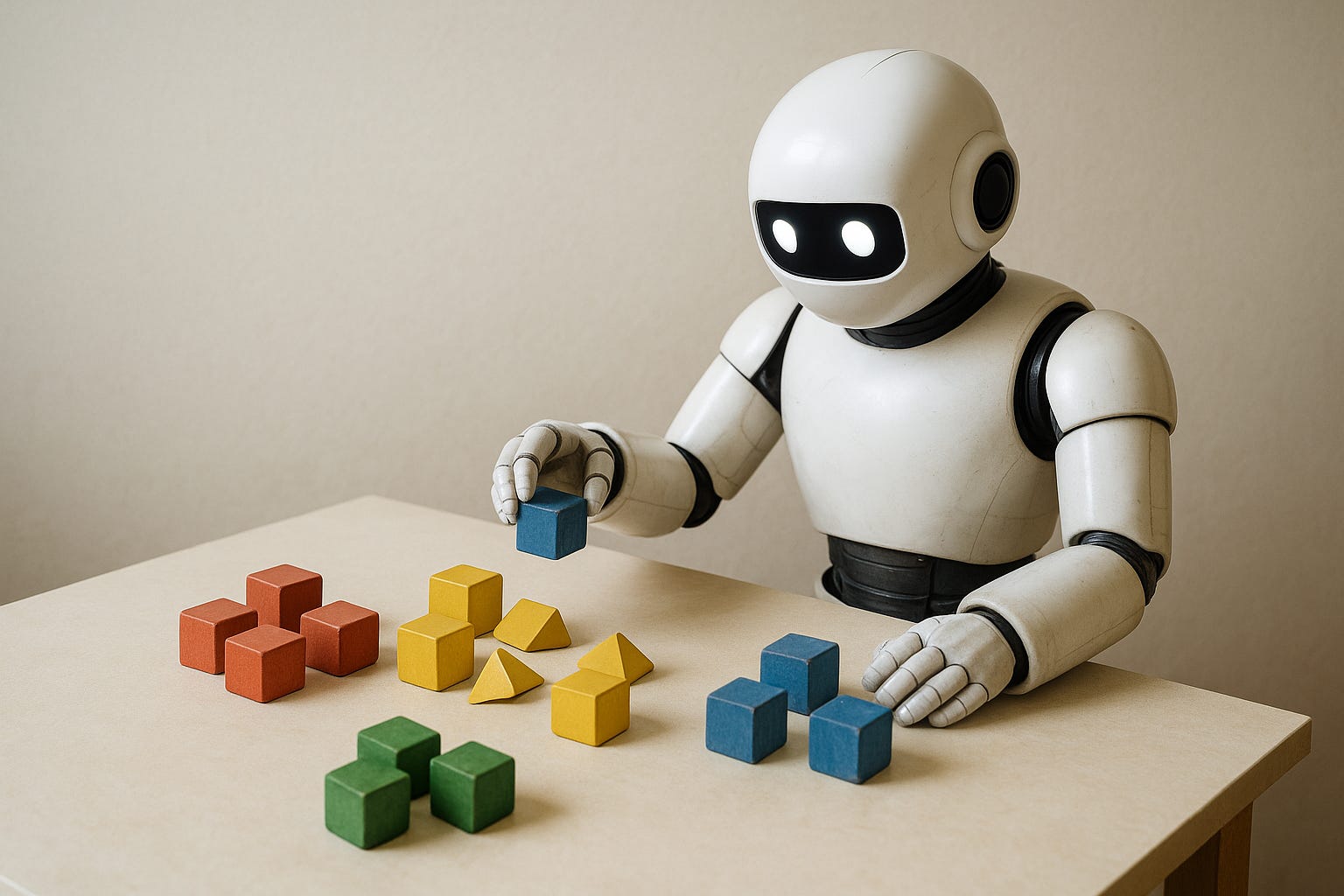
Unsupervised learning is like dropping someone into a foreign city with no map:
They don’t know which neighborhoods are “rich” or “poor,”
which streets are “safe” or “dangerous,”
which patterns represent “normal life.”
They simply observe and group what looks similar.
That’s what happened last night.
The model found hidden clusters—behavior humans never thought to categorize.
And one cluster stood out.
The Strange Cluster
Layla opened the red cluster.
Every login came from different users in different offices… yet all followed the same unusual pattern:
logging in shortly after midnight
access to a specific internal service no one used anymore
a long idle period
then running the same obscure command
No phishing signs.
No malware.
No obvious compromise indicators.
It didn’t look malicious.
But it also didn’t look normal.
“Why didn’t our supervised model catch this?” Rami asked.
“Because supervised models need labels,” she answered.
“And you can’t label what you’ve never seen.”
Unsupervised learning had surfaced a pattern no one thought to label—because no one knew it existed.
Where This Gets Spooky (and Brilliant)
They investigated further.
Turned out:
It wasn’t an attack at all.
It was an automation script used by a legacy team that stopped updating documentation years ago.
New analysts had no idea it existed.
Leadership forgot it was running.
The supervised model ignored it because no one labeled it “weird.”
But the unsupervised model said:
“Hey, this pattern does not belong with the others.”
That’s the magic—and risk—of unsupervised learning:
Upsides
It uncovers hidden structures
It reveals behaviors no one labeled
It helps detect unknown attacks
It shows patterns even humans miss
Downsides
It doesn’t tell you why a cluster is suspicious
It can raise false alarms
It can misinterpret rare but harmless behavior
It’s harder to audit for compliance frameworks
It can be manipulated, because clusters shift when data changes
Layla stared at the screen.
The model had no idea what “normal” meant.
But it knew this didn’t fit.
A Cinematic Parallel: The Matrix
Unsupervised learning feels a bit like Neo seeing the world in cascading green code for the first time.
He’s not told:
which patterns are dangerous,
which are ordinary,
which anomalies matter.
He just starts to see the structure beneath everything—the natural clusters of behavior inside the system.
And from those clusters, he recognizes when something breaks the pattern.
That’s unsupervised learning.
It reveals the strange, the subtle, the unclassified.
It forces you to question what you think you know.
The Resolution
Later that week, Layla integrated the unsupervised model into their monitoring pipeline—but with guardrails:
alerts required human review
clusters were monitored for drift
governance documentation explained uncertainty
deviations triggered investigation, not automated blocks
She wrote a memo to leadership titled:
“You Can’t Protect a System You Don’t Understand.”
And she ended it with this line:
“Supervised learning tells us what we expect to see.
Unsupervised learning shows us what we didn’t know we were missing.”
The AI wasn’t replacing them.
It was expanding their vision.
Takeaway for AI GRC Readers
Unsupervised learning is less about prediction and more about revelation.
It exposes hidden patterns—but also raises questions we must interpret carefully.
In cybersecurity and AI governance, it’s priceless for:
discovering new attack patterns
mapping unknown user behavior
finding anomalies without relying on labels
understanding the full complexity of a system
But it demands more from humans:
more oversight
more judgment
more governance
more willingness to investigate the unexpected
Unsupervised learning feels like turning on a light in a room you thought you knew—only to notice a door you never realized was there.
And the real work begins when you decide whether to open it.